By EUTYCHUS NGECHU KIMEMIA
Kenya stands on the brink of disaster due to poor legislation. The August House, once a beacon of sanctity, integrity, and efficiency, has degenerated into a den of dealers, self-seekers, and a confused, greedy lot devoid of patriotism. This institution, meant to represent the public, has failed its constituents.
Barely do we witness MPs passionately debating the welfare of the people. The parliamentary floor is left to a few gallant representatives who understand their duty and exercise their powers responsibly. Most MPs appear merely to meet attendance requirements, often absenting themselves at will, while engaging in personal deals that fuel corruption, graft, and impunity.
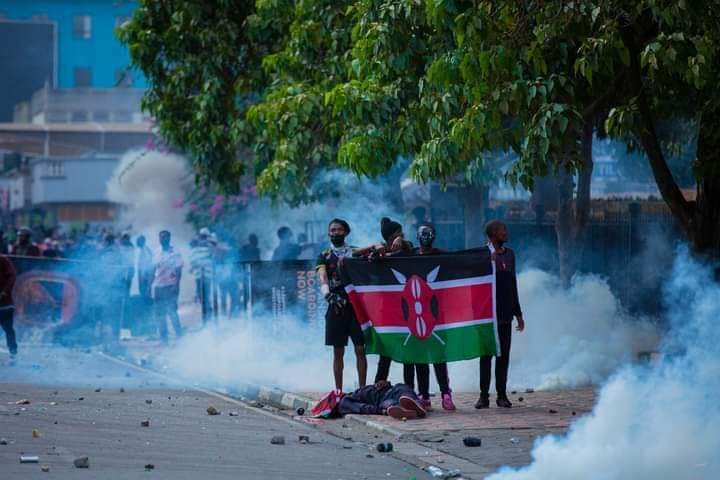
MPs are typically vocal only when directed by the executive, as seen in their unanimous support for Draconian and punitive bills. Despite the nation’s youth protesting for change in the streets, Parliament remains inert. They voted ‘Yes’ while the President vetoed, they vetted and approved Cabinet Secretaries only for the President to fire them, they elected Moses Masika Wetangula as House Speaker, who now serves as a biased power broker. They passed the Housing Levy against the people’s will and insulted those who criticized it, only for the people to be vindicated.
The story of King Rehoboam in the Bible (1 Kings 12) provides a poignant parallel to Kenya’s current parliamentary crisis. Rehoboam inherited the throne from his father Solomon but failed to heed the wise counsel of his elders. Instead, he followed the advice of his peers, leading to harsh policies that resulted in the division of the kingdom. Rehoboam’s failure to listen to his people and govern with wisdom and integrity caused a permanent rift in the nation.
In Chinua Achebe novel A Man of the People, the character Chief Nanga show the corrupt politician. He starts as a people’s champion but quickly succumbs to greed and self-interest once in power. The novel explores the consequences of political corruption and the betrayal of public trust, mirroring the current state of Kenya Parliament. Just as Chief Nanga actions lead to societal unrest, Kenya MPs must recognize the peril their misconduct poses to the nation’s stability.
A CALL to ACTION
To effect change, we must clean Parliament. Send the blatant liars home.
Recall them and reclaim the dignity of this house, returning it to the people, for the people. Like the lesson learned from Rehoboam’s downfall and the cautionary tale in Achebe’s novel, Kenya must act decisively to restore integrity and accountability in its legislative body.
Only then can the country move towards a future where legislation truly serves the public good and ensures a just and equitable society.