

Sean Ngirichi/The Mountain Journal
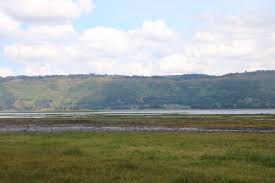
Major interventions have been employed by the stakeholders to fast track conservation of Lake Ol Bolossat in Nyandarua, to save it from drying up.
The efforts made by the environmentalists have borne fruit, following an increased volume of fresh water draining into the Ewaso Nyiro river that extends to the Laikipia plateau destined to Northern Kenya.
The Community Organisation for Positive Impact Care and Development (COPICAD) has dedicated efforts to rehabilitate and protect the lake, which was among the water bodies that were being wiped out through massive human involvement.
Ewaso Nyiro River is used in irrigation programmes in parts of Nyandarua and Laikipia counties, improving the economic value of the land and creating employment.
Thompson Falls is part of the tourism attraction along the river that meanders from the slopes of the Aberdare Forest to Northern Kenya through the Laikipia Plateau.
The environmentalists, led by Thomas Nderitu, said the lake, through the Ewaso Nyiro river, supports the ecosystem in the counties of Laikipia, Isiolo, Samburu, and Garissa.
The river penetrates through Laikipia, it emerges in the Archers Post area in Isiolo county, where it is used in watering of livestock and reducing the hours the herders used in search of water, when the river had dried.
“To achieve our objective to rejuvenate the lake, COPICAD has partnered with the Kenya Forest Service and the community in salvaging the lake through planting of indigenous trees,” said Mr Nderitu.
During the long rains, the community is involved in massive tree planting, a move that has assisted in increasing water volumes downstream.

“One of the major interventions that the chiefs and livestock officers assisted include educating the farmers to embrace zero grazing, ending the traditional open grazing in the fields that led to the massive destruction of vegetation along the water bodies,” said Nderitu.The
Kahuaga section of the Ol Bolossat forest in the Aberdares ecosystem has been reclaimed after decades of experiencing fierce fires, illegal logging, and charcoal burning.
In the last two years, more than 350,000 trees have been planted in efforts to recharge the tributaries draining into the lake.
Mwangi Nguru, a resident, said the move to protect the lake from drying up is appreciated as the locals have been involved in tree planting among other activities.
Mr Nguru says majority of the birds that had deserted the lake owing to the excessive destruction of their natural habitat, are back after human activities were brought to an end.
“We are grateful that through community efforts, those who were farming around stopped and moved away,” said Nguru, a trader in Ol Kalou town.
At Archer Post, Ali Mohammed, a camel herder, says the community in Isiolo appreciates the presence of the Ewaso Nyiro, as it provides water to the wildlife and livestock.
“Conflict emerges during the times when the flow of the Ewaso Nyiro river is low, but in the past three years, there has been sufficient water,” said Mohammed.
Nyandarua Governor Kiarie Badilisha and his Laikipia counterpart Joshua Irungu on June 15, participated in the 2nd Lake Ol’ Bolossat half-marathon in Nyandarua, which was organised to champion conservation efforts and raise awareness.
“The event promotes sports tourism and environmental conservation by supporting the restoration of Lake Ol’ Bolossat,” said Badilisha.
Irungu said the lake had dried up, but efforts by the environmentalists and the community have assisted the lake to regain life as a vital habitat for birds, fish, and hippos, through the efforts of both state and non-state partners.
Great news full of hope,but more needs to be done on the escarpments.
https://shorturl.fm/f3Cmu