

BY DPCS
Deputy President Kithure Kindiki says coffee farmers will earn more this year owing to key interventions by the government that have improved production and increased returns.
The Deputy President said the estimated projection is at Sh110 per kg of cherry this year which is almost double what farmers received when the Kenya Kwanza administration took over in 2022.
The rise has been occasioned by wide-ranging reforms and interventions instituted by the government that has helped in streamlining the sub-sector and elimination of perennial bottlenecks frustrating farmers.

On Thursday, the DP hosted members of the National Assembly Coffee Caucus at the Official Residence in Karen for consultations on consolidating the reforms and sharing ideas on what more to be done to improve earnings.
“We have to make sure coffee farmers earn more, and coffee brings more foreign exchange as it used to. The Kenya Kwanza manifesto requires us to increase incomes and value for our farmers and other players in the value chain. We are faithfully implementing the manifesto to ensure the Guaranteed Minimum Returns of Sh100 per kg of cherry,” said Prof. Kindiki.
The DP called for the fast-tracking of the Coffee Bill, 2023 and Cooperatives Bill, 2024 which are before the Senate after the National Assembly approved them saying they are at the centre of the success of the efforts to further better the coffee value chain.
“The Bills must be finalised as soon as possible because they are at the centre of the reforms. We encourage the Senate to process the Bills that will unlock the coffee reforms package,” he noted.

The DP also said the government, through various respective agencies and in collaboration with the county governments, will ensure availability of quality seedlings and appropriate fertilizers at the nearest place and on time.
“Last-mile distribution of subsidised fertiliser for coffee farmers is critical because we have seen the impact the fertiliser has had in other sectors like sugarcane, maize where production has shot up tremendously,” he said.
Waiving mounting debt accrued by cooperatives, modernisation of factories, minimising losses along the production chain and promotion of Kenyan coffee in new global markets is also on top of the government’s agenda.
The government is also looking to stimulate farming of the crop in new frontiers like in the Rift Valley, Western, Nyanza, Lower Eastern which have not been traditionally into coffee farming but have shown potential. Additionally, the quest to improve production per bush is on course through quality seedlings, provision of better farm input including pesticides and extension services.
“We can have more production if we increase the acreage and the production per bush. We want to put more land under coffee and raise production of bushes from 2kg per bush to 10kg by 2027 as promised in our manifesto,” he added.
The Coffee Caucus comprises 78 MPs representing coffee-growing constituencies.
Chairman, Nyeri Town MP Duncan Mathenge said they are ready to push for legislative interventions that would make the coffee sub-sector more profitable to the farmers. He also said reforms must remain on course so gains already achieved are not lost.
“We have the expertise and we are ready to execute any reforms or interventions that need to be done. We must ensure conflict of interest is dealt with. We cannot have a miller being a broker and a buyer at the same time,” he said.
Lugari MP Nabii Nabwera said farmers in the Western region were eager to diversify to coffee farming, asking for quality seedlings.
Gichugu MP Gichimu Githinji said modernisation of equipment in coffee factories will lead to more earnings and maintenance of quality across the value chain.
“Some of the factories still use equipment acquired in the 1960s. We need urgent modernisation for better production,” said Mr Githinji.
Tinderet MP Julius Melly urged for more publicity of the cherry fund for farmers in the region to benefit from it instead of acquiring bank loans.
“Most go for bank loans because they are not aware of the cherry fund. We need more awareness to empower them on how they can benefit from the fund,” he said.
Tigania West MP John Mutunga, also Chairman of Agriculture Committee, said research is critical in advancement in the sub sector adding that the pending Bills provide for revamping of research institutes.
At the same time, coffee remains one of Kenya’s major sources of foreign exchange earnings and an economic lifeline for many households in parts of Central, Rift Valley, Eastern, Western and Nyanza regions.
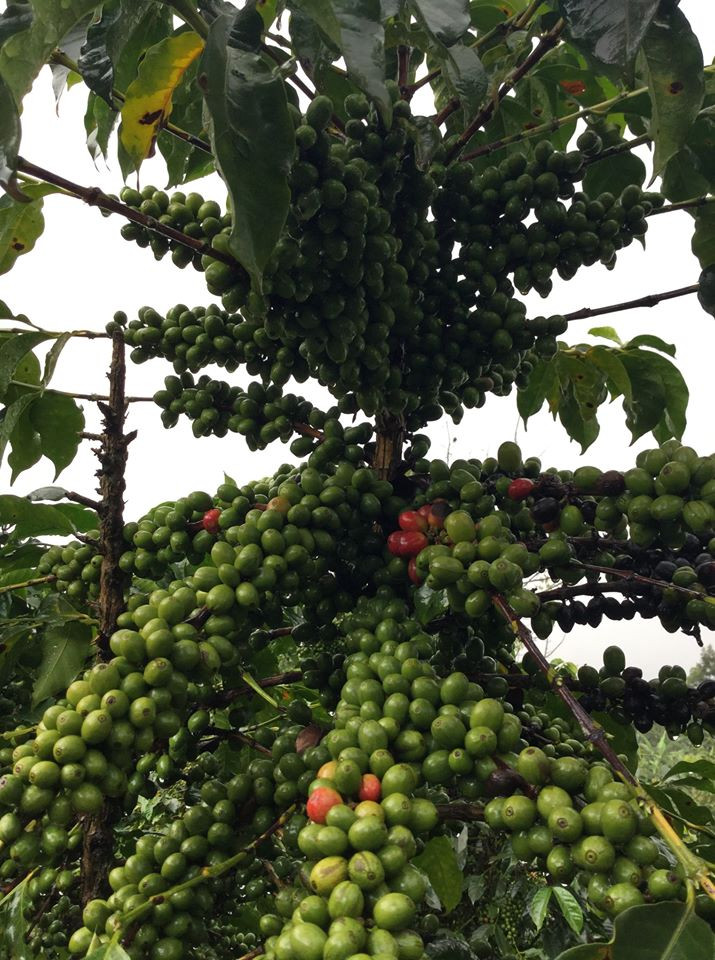
Reforms in the coffee sector and other agriculture value chains are at an advanced stage to boost production, increase the value of products and raise the income for farmers and other role players in the sectors.
In Parliament, legislative reforms and initiatives are at the tail end to help improve the production, marketing, value addition and sustainability of the coffee industry. The new legislative regime will help democratise coffee marketing, eliminate middlemen and cartels and improve governance in the management of cooperative societies.
The Government has initiated the process of authentication of debts owed by various coffee cooperative societies with a view to allocating resources to waive the debts and cushion farmers from deductions that reduce their earnings. This initiative also includes modernisation of coffee milling plants to reduce post-harvest loss and improve the quality of Kenyan coffee for better prices in the global market.

Good information
Happy to hear that the government is carrying on the reforms started in 2016. I was and still support these reforms as a researcher and member of the presidential standing committee. Please let the legislative hasten the coffee and cooperative bills which are transformative.