
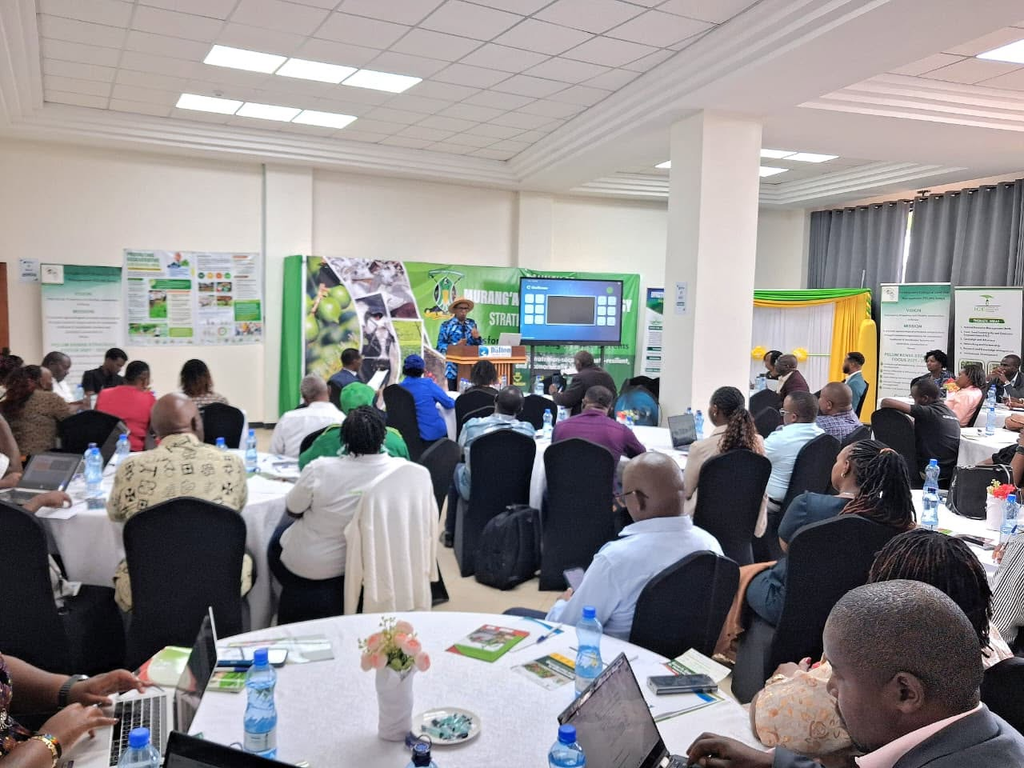
More than 30 learning institutions will be supplied next year with organic foods sourced from farmers in their backyards in Murang’a county.
The estimated 215,000 learners in 19 wards will be served with healthy foods grown by farmers through the partnership between the Murang’a County Government, Participatory Ecological Land Use Management (PELUM), and Rockefeller Foundation.
In the 10-year programme designed to link the schools with sustainable farming and the feeding programme, the learners will linked with sustainable farming to school feeding.
The multi-million-shillings programme focuses at providing the learners with a balanced diet, creating reliable markets for the farmers as well as restoring the soil.
Murang’a is among the counties leading with the production of organic foods, which have attracted markets in search of healthy foods as prescribed by doctors.
Murang’a County Executive Committee Member for Devolution, Agroecology, External Linkages, Dr Kiringai Kamau said the partners will work towards regenerative agriculture, organic inputs, diversified food production and stronger links between farmers, schools and health services.
“The county government will connect its school feeding programme to local agricultural production, with plans to supply food to more than 215,000 learners while creating market opportunities for smallholder farmers,” he said.
He added that the programme, through the support of the stakeholders, is geared to help address the factors leading to the declining soil fertility, as it focuses on improving the food safety among other concerns.
Kiringai explained that the continued use of agrochemicals at the farm level has exposed the residents to unending non-communicable diseases, which remain a major challenge.
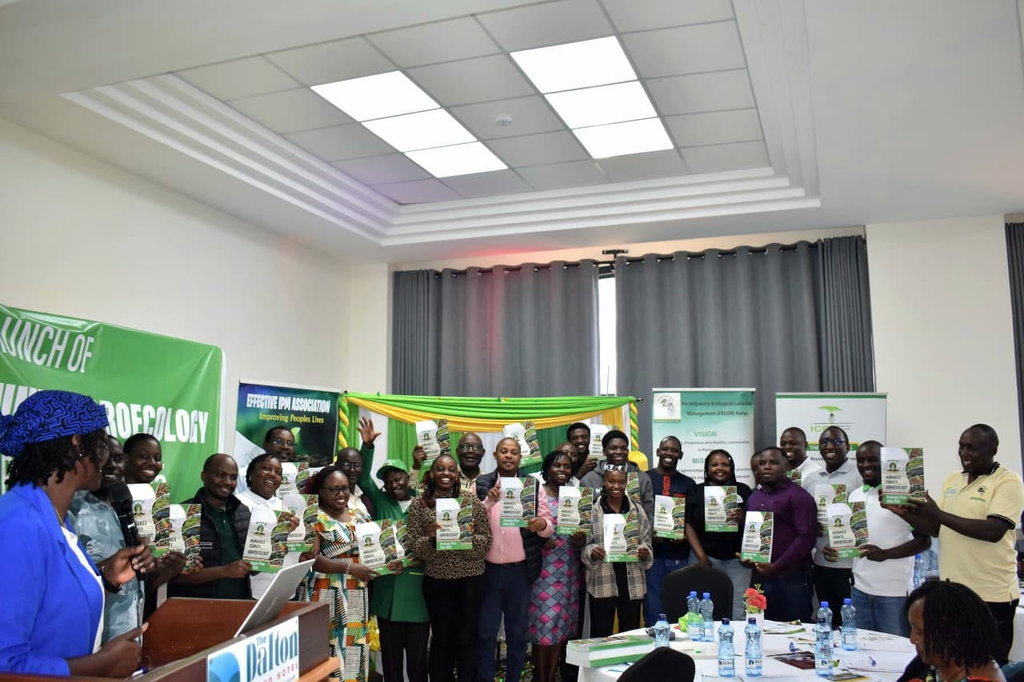
“ To avert the threats in the soils, working with the Rockefeller Foundation, they will embark on digital soil-testing technology, diagnose soil conditions and recommend the nutrients required to improve productivity,” he said.
Betty Kibaara, a director at the Rockefeller Foundation, maintained that the relationship between agroecology and school meals was crucial as it will drive towards improving nutrition, as it creates demand for food produced using sustainable farming practices.
Kibaara added that the foundation would partner with the county government to explore ways of converting organic waste into agricultural inputs at the Gikono landfill.
“ The organic waste from discarded fruits and other materials could be processed into bio-inputs, including through technologies that use black soldier fly larvae to convert waste into fertiliser,” she said.
Diana Mwangi, a PELUM Kenya official, observed that agroecology could improve soil health, promote crop diversity and strengthen nutrition by encouraging the production of a wider range of healthy foods.
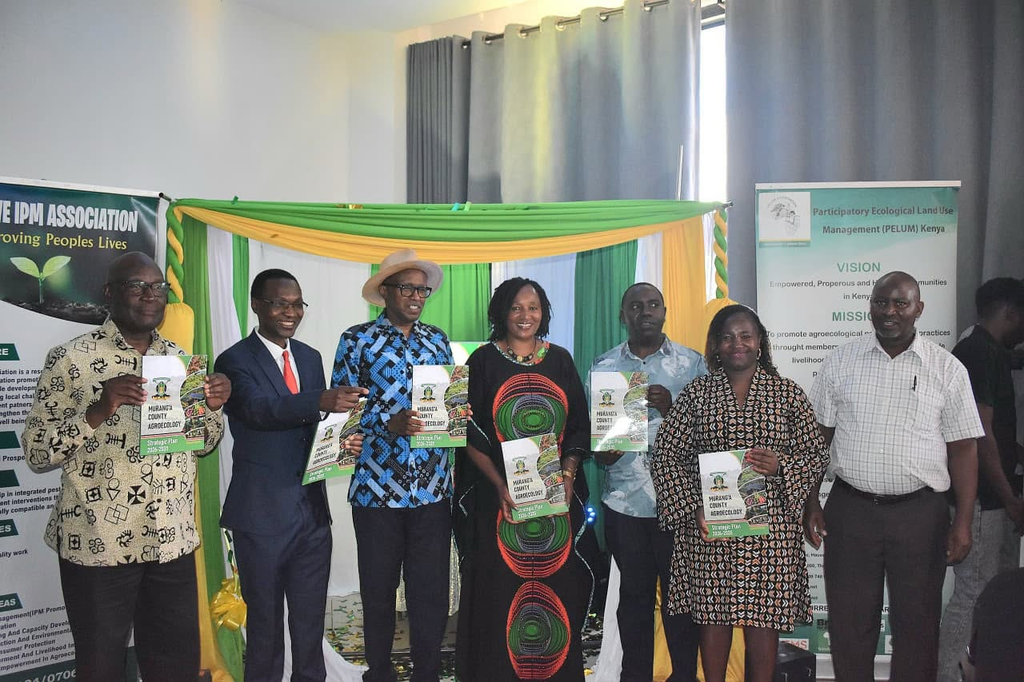
She said in the local enterprise and services hubs at the village level the youth will offer extension services.
“We urge farmers to embrace sustainable farming practices and introduce younger generations to the benefits of agroecology focused on increased production of foods and improved wellbeing of the families,” said.