
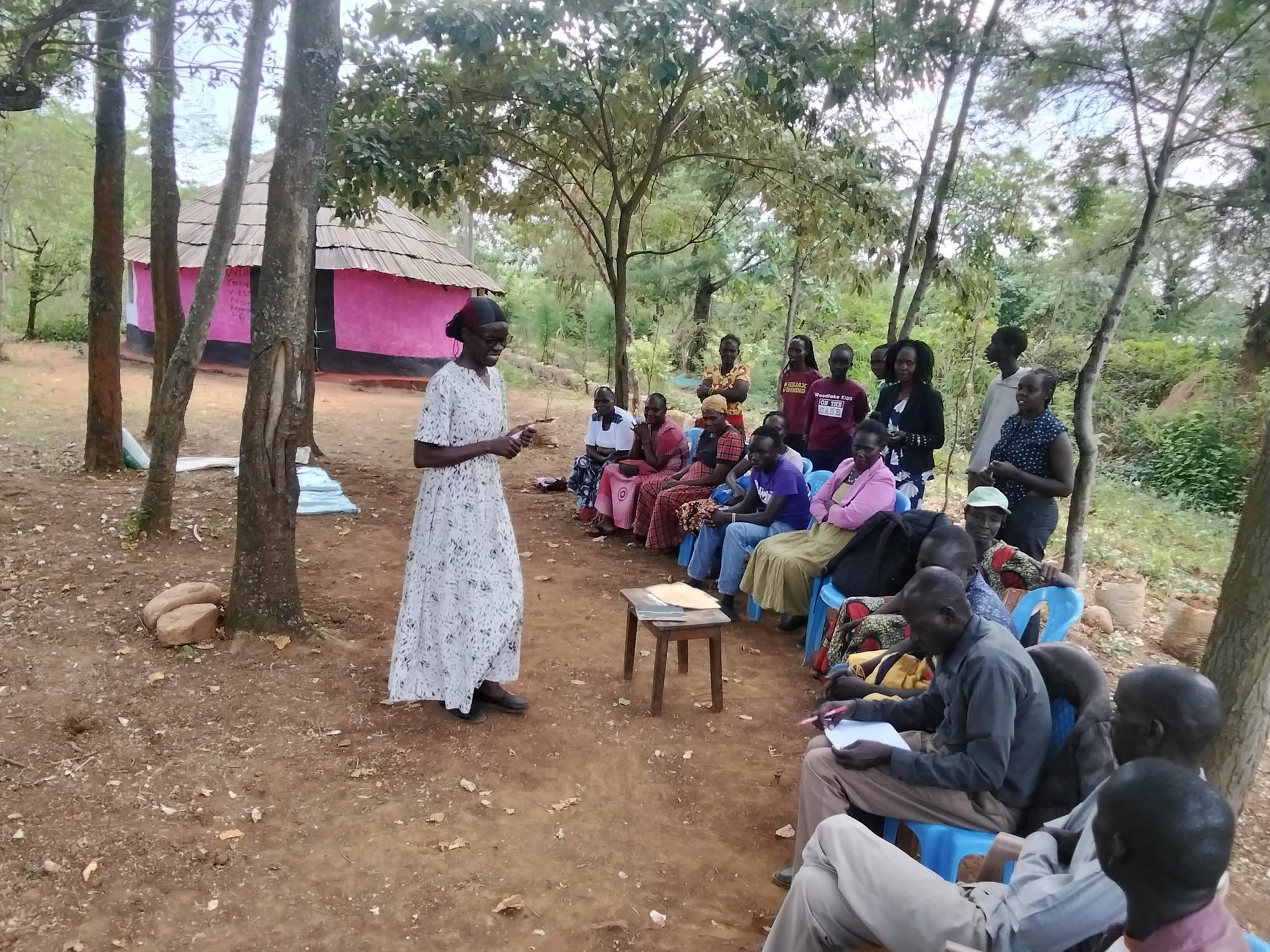
THEY HAVE SEEN IT ALL BEFORE
In every village RODI Kenya has worked in, there is a strange meeting that happens. The experts arrive with flip charts, PowerPoints, and questionnaires. They ask the community, ‘What are your problems?’ And the community goes silent. Not because they don’t know. But they have spoken before. No one listened. Their silence speaks volumes about community voices.
Ask a 60-year-old farmer in Machakos, what she has seen: She has seen free maize given to communities in 1996 that killed her millet market, she has seen exotic dairy cows given in 2003 that died because there was no veterinary officer, no fodder. She has seen a borehole drilled in 2010 that broke in 2011, She has seen NGOs give food aid, all of which disappeared when the NGO disappeared.
She knows what works and what doesn’t. She knows hybrid maize fails when rains fail, but her Katumani and Makueni indigenous Maize survives. She knows that group labor, “harambee” works, but allowances kill volunteerism.
She knows what others have tried and it failed. But in the meeting, she is marked as “illiterate, needs training.” So she keeps quiet. That quiet is not ignorance. It is experience tired of repeating itself.
THE SILENCE IS NOT EMPTY. – IT IS FULL.
When communities go silent in your workshop, what are they really saying?
- Their silence says: “We already told you.” We told the last NGO that we need a seed bank, not free seeds. They gave free seeds anyway. Why should we speak again?
- Their silence says: “You will not fund what we need.” We need a small grain store to manage our harvest. You need to fund “climate-smart innovation hubs.” We have learned that if we say what we truly need, you will say it’s not in your strategic plan. So we say what you want to hear.
- Their silence says: “You came to extract, not to learn.” Your questionnaire has 40 questions. None asks, “What have you already tried that worked?” You came to collect data for your proposal. Not to learn from us.
- Their silence says: “Your project is too short to matter.” You are here for 12 months. We have been here for generations. Why should we invest our hearts in something that will leave next December?
THE MOST DANGEROUS MYTH: THAT COMMUNITIES DON’T KNOW
The savior narrative built its power on one big myth: Communities are poor because they don’t know. But go to any village and listen, actively listen, outside the workshop:
- A mother knows exactly which wild vegetables stop child malnutrition in dry season. But she was told to plant cabbage for market.
- A pastoralist youth knows exactly how to read the sky and move his goats to survive drought. But he was told to destock and settle.
- A farmer knows his soil is dead because of too much fertilizer, and he wants to return to compost. But extension only sells fertilizer.
- A refugee mother in Kakuma knows she can make soap and sell it, but aid gives the community soap for free, killing her business.
They know what they need to bring change. They don’t need another needs assessment. They need permission to lead. To make their own decisions, their own choices of what works and what they can do to bring change
WHAT HAPPENS WHEN WE BREAK THE SILENCE?
At RODI Kenya, we learned that communities speak when three things change:
1. When you stay long enough as partners in development. -You cannot hear silent voices in a 2-day visit. You hear them after 1 year, 3 years, 5 years, 10 years, when a farmer pulls you aside and says, “Can I tell you the truth? That project failed because you never asked us.” Longevity builds trust. Trust breaks silence.
2. When you ask different questions. -Don’t ask, “What are your problems?” Ask:
- “What have you tried before that worked, even for a short time?”
- “What did your grandparents do when this problem came before?”
- “If there was no NGO, no donor, what would you do tomorrow morning?”
Those questions wake up memory. Memory wakes up voice.
3. When you fund what they say, not what you planned. The most powerful moment in development is when a community says, ‘We need a small seed bank, not more training.’ You reply, ‘Okay, let’s build it.’ That moment elevates community voices. That moment brings ownership and sustainability. It shifts the power. That one act says: Your voice matters. Next time, they will not be silent.
FROM SILENT BENEFICIARIES TO PARTNERS IN DEVELOPMENT
The future of development is not about making communities speak louder. It is about making the system listen better. Because the silent voices already know:
- They know food relief creates dependency.
- They know agroecology works because they saw their grandmothers practice it.
- They know savings groups work better than micro-loans.
- They know free things kill ownership and sustainability.
They know all this. They have always known. Their silence was never a sign that they had nothing to say. It was a sign that we were not ready to hear.
Now that funding is shrinking, INGOs are leaving. Rations are cut, and we have no choice. We must listen to community voices. Not as saviors conducting another participatory exercise. But as allies sitting on a low stool, asking: Forgive us for not listening before. Tell us now, what do you know works? And then, be quiet enough to hear the answer.
By David Nyaga- Executive Director -RODI
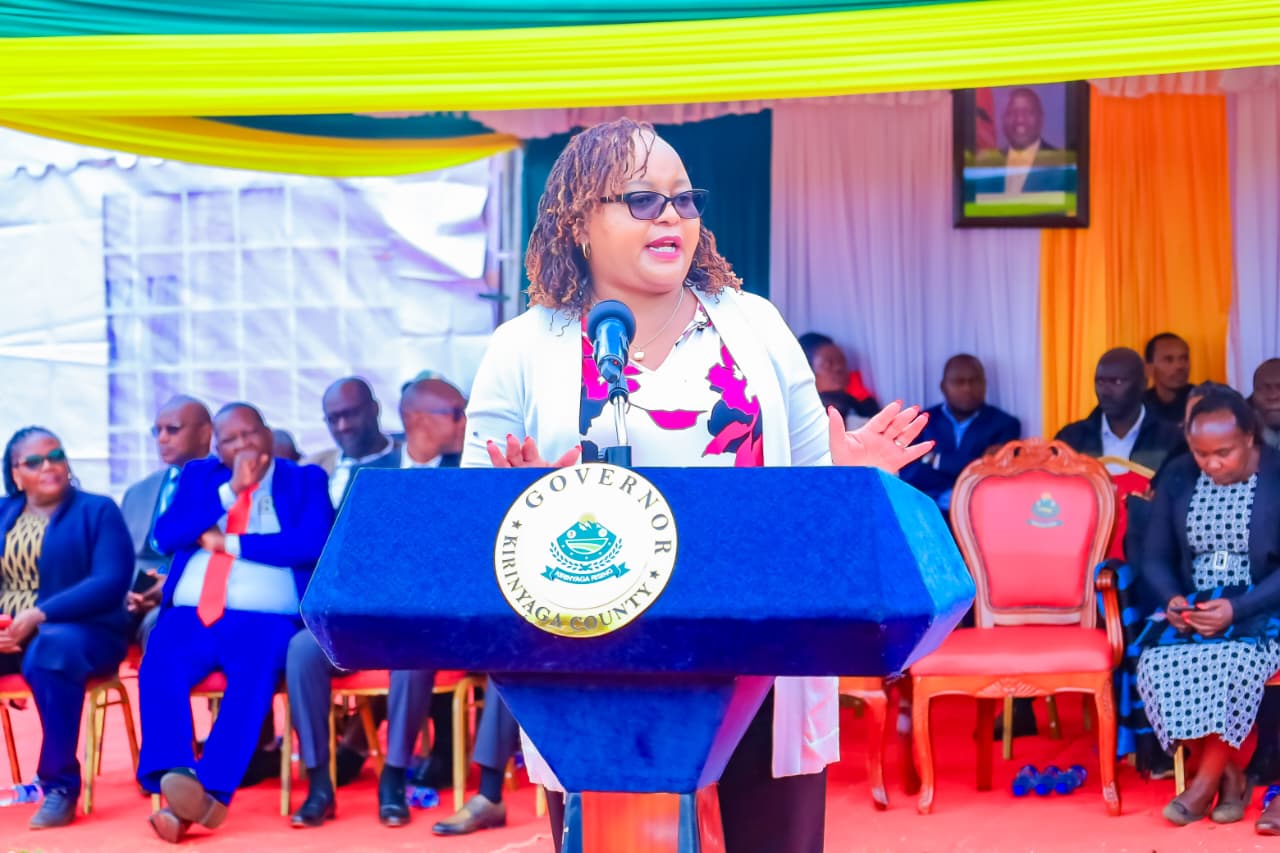
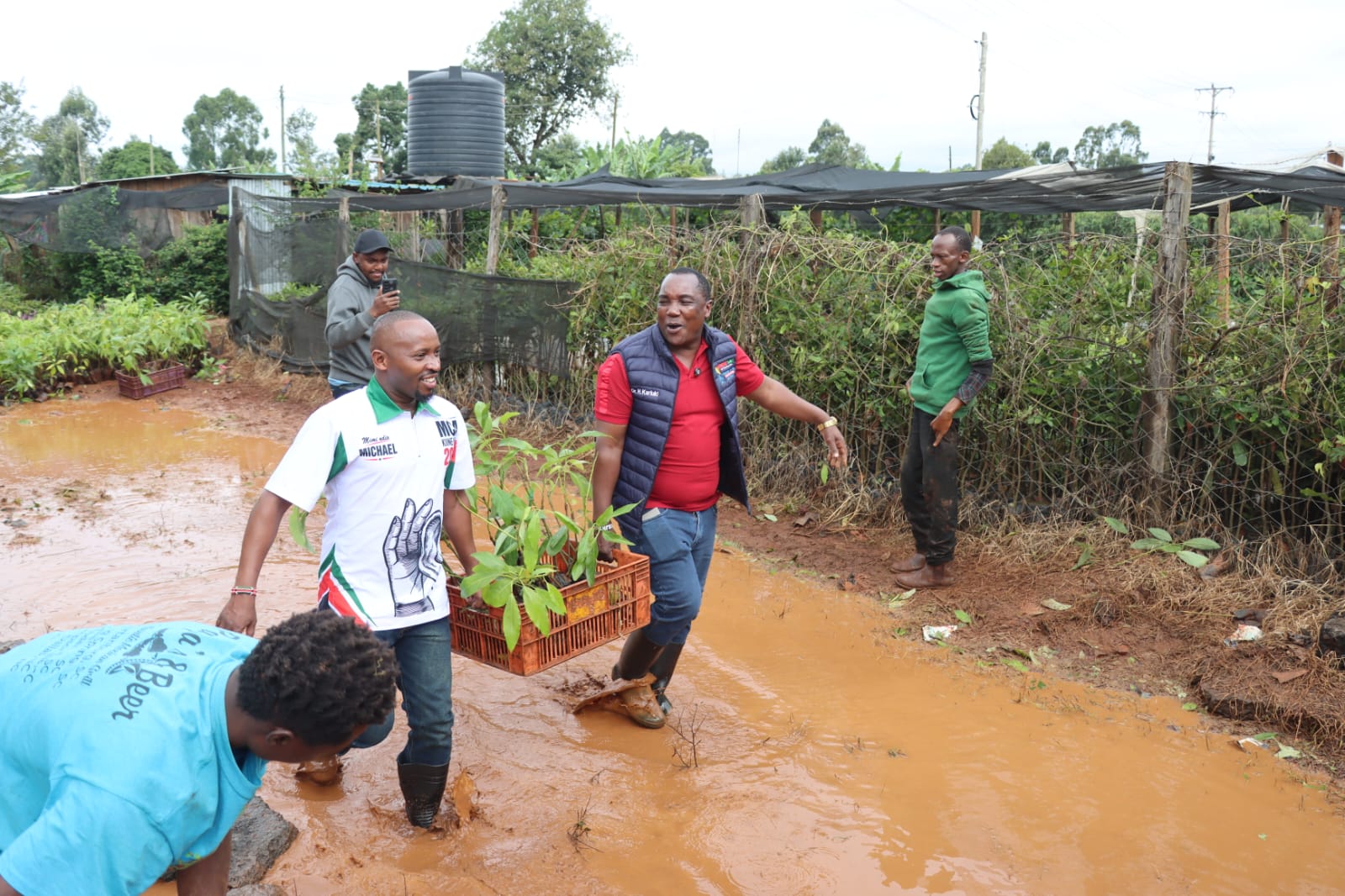
This is a powerful reminder that community silence should never be mistaken for lack of knowledge. Sometimes people become silent because they have shared their experiences many times without being heard.
Development becomes more meaningful when we move from simply asking communities what they need to genuinely listening to what they already know, have tried, and believe can work. The real shift is not just giving communities a voice, but creating systems that value and act on that voice.
A very important reflection on what it truly means to work with communities as partners.