

The Mountain Journal
editor@themountainjoural
The recently implemented Tea levy charging Sh 2.28 per kg of made tea has immensely affected Kenya’ s tea at the weekly Mombasa Auction.
Tea sales experts assert that the majority of the buyers who had favoured the Kenya tea have shifted to produce from other countries at the auction.
In the market analysis, Tanzania achieved 100 percent after it sold all the 19,440 kgs, Uganda sold 92.90 percent of the offer, Rwanda 60.72 percent as the buyers avoided the Kenya teas, after the imposing of tea levy of Sh 2.28 per kg of made tea on produce designated for export and imports.
Reports from EATTA indicate that factories in the east of the rift sold 48 percent of the offers, the west of the rift managed 77percent, and independent producers 88.60 percent.
“Kenya sold 69.03 percent of the tea offered, down from last week’s 76.56 percent compared to 72.14 percent of the last week,” read EATTA report.
On average the absorption of the tea at the Mombasa Auction was at 70.47 percent,as
Kenya offered 8,653,591 kgs, Uganda 964,546 kgs, Tanzania 19,440 kgs, Rwanda 546,152 kgs, and Burundi 35,260 kgs. The KTDA affiliated factories offered 3,659,702 kgs at the auction
“In the weekly auction Tanzania and Uganda achieved sales of 100 percent and 92.90 percent respectively,” said .EATTA Managing Director Mr George Omuga.
KTDA Chairman Enos Njeru said it was shocking that the tea levy has forced the buyers to drop the favoured Kenya’s tea for others.
“ There are several meetings taking place to address the concerns of the tea levy,” said Njeru.
The TBK Chairman Mr Ndung’u Gathinji and the CEO Willy Mutai defended the Tea levy targeting it will collect Sh 1.2 billion annually designed to facilitate tea infrastructure development; market expansion and promotion; quality assurance and traceability systems; research and innovation; sustainability compliance; value addition and branding; farmer support interventions; and enhancement of the global competitiveness of Kenya tea.
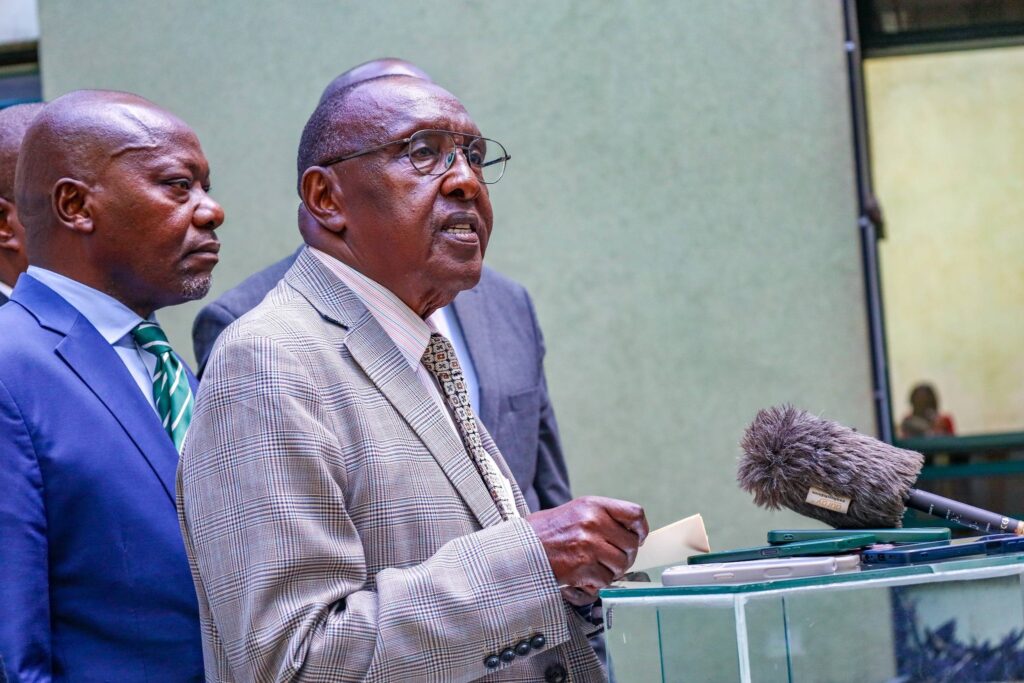
Photo: The TBK Chairman, Mr Ndung’u Gathinji.
“The management will continue to engage all stakeholders through consultations, sensitization forums, operational advisories, and technical support to address concerns raised and ensure smooth implementation while safeguarding the interests of the tea industry and compliance with the Tea Act, 2020,” said Ndung’u..
Mutai called on the stakeholders to support the implementation of the tea levy regulation saying it is aimed at strengthening the tea sector.
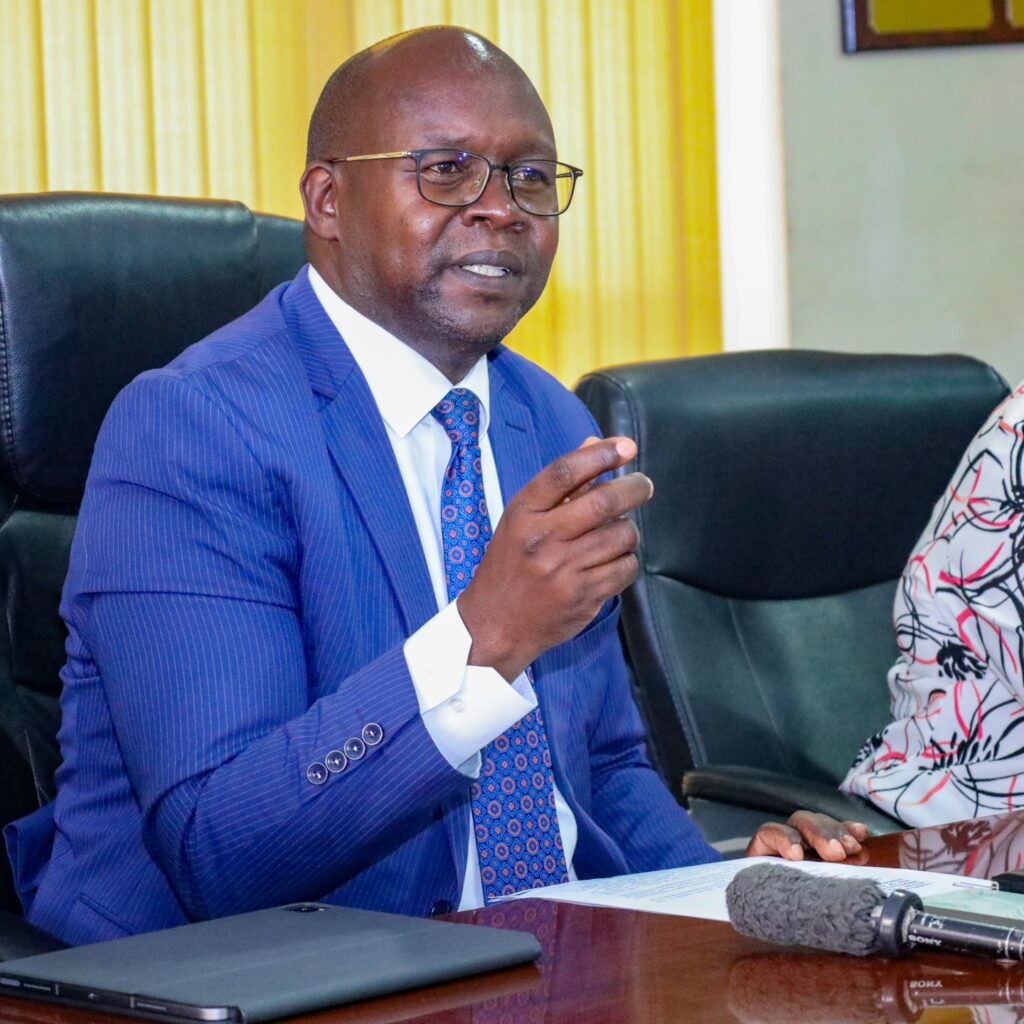
The TBK CEO Willy Mutai.
“ The levy will improve our tea and ensure there is value addition and other tea producing countries of India, Sri Lanka, Pakistan charge higher levies ,” said Mutai.

