The Mountain Journal
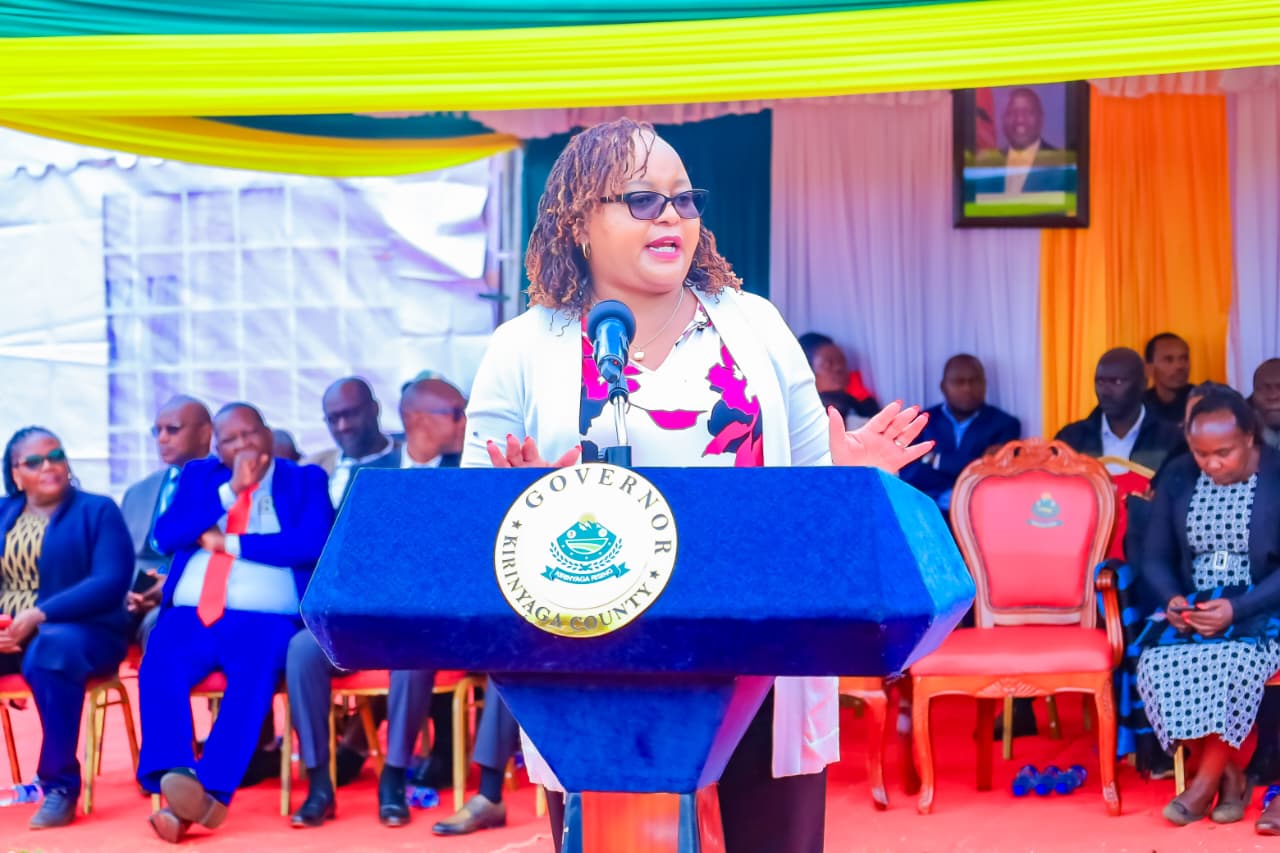
Kirinyaga farmers who were supported by Governor
Anne Waiguru to undertake fish farming have started harvesting the first fruits
as fish attain maturity.
for fish in Mt. Kenya region that saw the farmers fetch huge amount of money
from the first harvest.
as a preserve for communities around Lake Victoria basin and the Coast
region, is gradually being embraced by all thus
pushing the demand high.
is what informed Waiguru to support selected self-help groups in construction
of fish ponds and subsequent stocking with fingerlings to start the venture.
The farmers were also given free fish feeds for seven months, the period of
expected fish maturity and harvesting.

groups harvested their fish yesterday and the catch was sold out immediately.
after applying for funding by the County Government that has been assisting
farmers to diversify on their agricultural activities with an aim increasing
their income.
project is one of the components of Wezesha Kirinyaga Economic program that has
been supporting farmers to diversify on their agricultural activities in order
to increase their revenue streams.
livelihoods and give direct support to women and youth who will be involved at
various stages of the project value chain which include, cooking, selling and
transportation of fish. Others will be employed at fish eateries which have now
become very popular in our county”, said the governor.
cash crops such as tea, coffee and
rice, fish rearing is a new stream for farmers to diversify their income.
deficit of fish which makes Kenya import fish since lakes fishing cannot
sustain the demand. As such half of all the fish produced in Kenya comes from
aquaculture while the other half comes from ocean and lake fishing,” the
governor said.
integrating fish farming has turned out to be a game changer in their farming
practice. “We are very happy that our fish is now mature and we have started
making sales and getting some for our families to consume.” Said Caroline
Wambui, a member of The Great Star Youth Group from Gichugu Constituency.

grateful to Governor Waiguru for initiating the program which she noted was
going to empower the youth. She noted that they were given free fish pond
liners, free fish feeds and all they had to do was to nurture the fish to
maturity.
Kiamurugu Tissue Bananas Group said that the 25-member group benefited from
1,600 fingerlings which they are currently harvesting and selling. He said that
once they have sold the current harvest, they will use the proceeds to restock
their fish pond and buy fish feeds and sustain the project on their own going
forward.
other farm activities is less time consuming and production cost is manageable.
He thanked Governor Waiguru for the support which he will go a long way in
uplifting the living standards of the farmers who have embraced the project.
said that they will also plough back the profits to their group table banking
initiative so as to expand their capital base hence make more money out of
lending among the members.

project at the individual level even as we continue with the group project
since we have now gained valuable experience on how to manage fish farming.”
She said.
the major towns across the county while fish eateries have been opened in
almost every street.
for both men and women and customers have to buy raw fish and wait on the queue
for the vendors to deep fry for them.
it as a trial business but now am in it fully, people are coming in their
numbers to buy cooked fish. The only problem is there the supply is low. We
have to go for kilometers to Masinga dam or down river Sagana to get the fish,”
said James Bundi, a fish seller in Kagio town.
enabled her meet her basic needs including educating her children.
She is happy
about Governor Waiguru’s initiative in up scaling local fish production. She
said that getting fish from Masinga Dam or Naivasha has lately become an uphill
task as a result of rising cost of fuel. She confirmed that demand for fish in
the county is very high as more families incorporate fish in their diet.
growing fish are getting ready market.” Said Atago.
Kirinyaga get a fair share of fishing potential given that it is endowed with
favorable aquaculture conditions which include fresh water and ready market.
She is working towards increasing annual fish production from the current 29.4
tons valued at Ksh. 12.8 million to 62 tons which will fetch the farmers around
Ksh. 30 million per year.
her support to farmers through expansion of Wezesha project to ensure that
every household in the count is impacted.
“As we are all aware, agriculture is the backbone of
our county’s economy. Through our Wezesha Kirinyaga program, we have been
implementing a robust program to increase agricultural productivity with an aim
of putting more money in the pockets of our farmers,” she said.
Waiguru has over the years called upon the
county residents to embrace routine consumption of fish as a way of boosting their
health as well as growing the county’s economy.
She said that consumption of
excess red meat has been attributed to high prevalence of non-communicable
diseases such as high blood pressure, diabetes and kidney diseases among the
county residents noting that fish provides a good source of the recommended
white meat.
last year’s National Aquaculture Annual Stakeholders Review meeting held that
was held in Kirinyaga. The forum brought together representatives of the
national government and county governments’ departments of Agriculture,
Livestock and Fisheries, fish farmers and other stakeholders.
The ranking was based on implementation of
the Aquaculture Business Development Program which is a collaboration of the
county governments and the National Government.
Government is supporting under Wezesha Kirinyaga program are poultry, dairy,
avocado and tomato value chains as well as pig rearing, bee keeping and
cultivation and value addition of traditional vegetables.
www.themountainjournal.co.ke