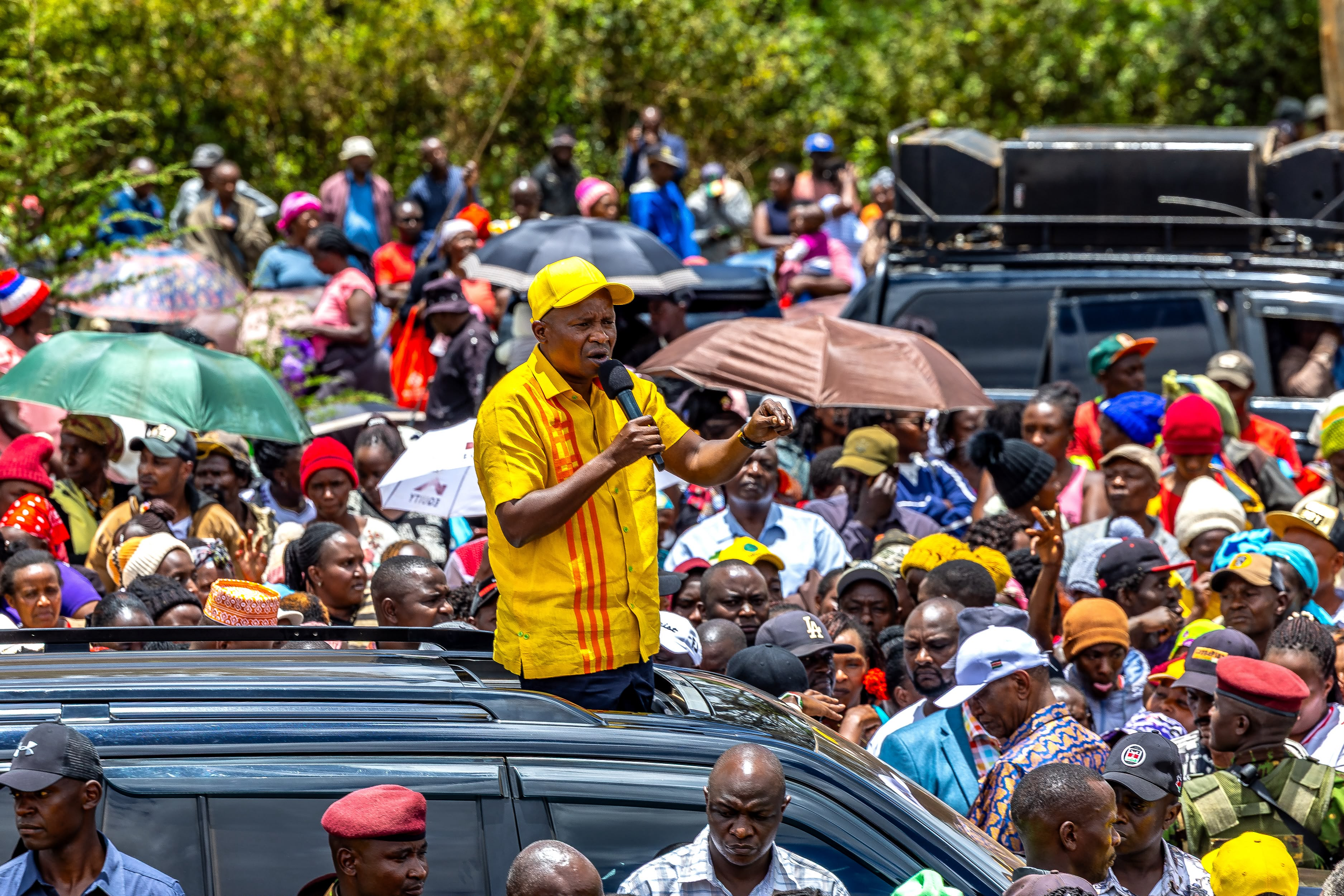
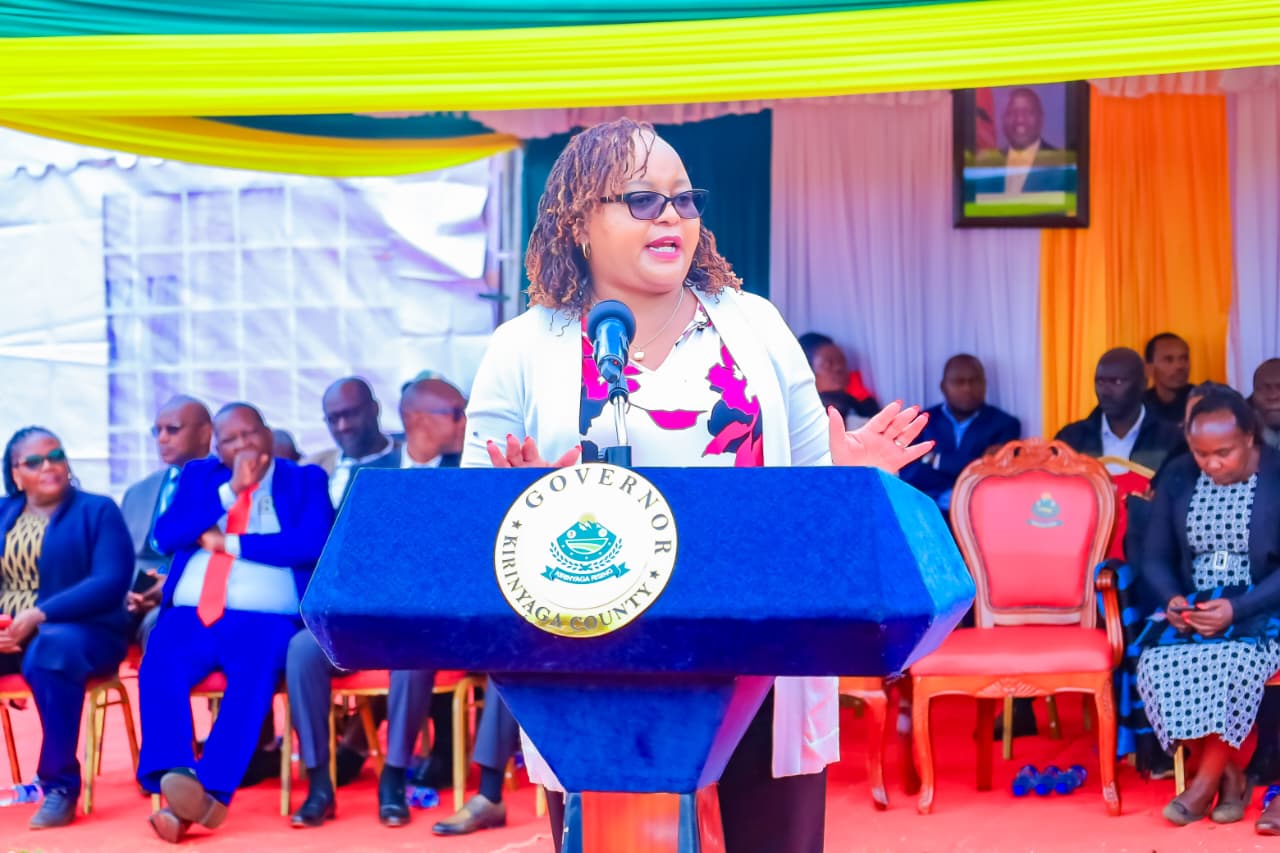
The National Government-Constituency Development Fund (NG-CDF)
should be used to build infrastructure for basic education and for
development projects geared to create employment in the constituencies
instead of funding bursaries for post graduate students in local and
foreign universities.
A panel of education experts says they are ashamed to see PHD and
Masters Students walking into universities and colleges flashing cheques
from the constituency kitty popularly called CDF. “Its unfair for
someone studying for a Master’s degree to get CDF funding; it’s
immoral,’’ said Maliba Arnold Nyajayi, the Strategic Communication
Advisor in the office of Secretary General UDA offices.
He said although CDF has done well in funding infrastructure in primary
and secondary schools, more money should be allocated to this sector.
“CDF was the pilot project for the devolved government era. But it is
not a bursary because of the way it is structured. Sometimes all students
in a school they get a flat rate of Sh500 to Sh5, 000 each, which might not
help all the needy students,” he said.

According to Dr Vincent Gaitho, Kenya’s National Association of
Private Universities secretary general, CDF is important to very many
students across the country. “Poverty in Kenya is on the rise due to
global climate change, which is marginalizing more families and the
depreciation of Kenya shilling. Any money for education sector is
welcome. Thousands of students benefit from CDF bursaries” he said.
MPs claim the CDF disbursement from Treasury has now delayed by
more than seven months.
bursaries from the CDF kitty is being used by MPs to boost their
popularity in the constituencies. “It’s a popularity contest between MPS
where thousands of people are invited to the various forums where the
cheques are issued,” he said.

Photo/Dr Vincent Gaitho, Chairman at MKU Council
Dr Gaitho, who is also the chairman of the university council at Mount
Kenya University (MKU), called on MPs to focus on investing CDF in
specific development projects in their local areas. “Each constituency is
unique.
pockets of their constituents. For instance, our farmers have too much
waste after every harvest – milk, maize, vegetables.
is coming and local markets will soon be flooded with mangoes. We
need to reduce this waste,” he said.
Dr Gaitho recommended that a bill be introduced in Parliament to
authorize bursary funds to become revolving funds.
from bursaries should pay back. Let’s make it sustainable through a
revolving fund since we are developing human capital that eventually
should become useful to the country,” he added.
The education sector analysts were discussing the Status of Education in
Kenya in a KBC television programme last week. Joshua Nyambane, an
educationist, said there is a multiplicity of too many bursaries of little
amounts being issued by politicians.
even buy shoes or uniforms for the pupils and students in schools and
colleges. We should synchronize the various bursaries being given out
by governors, MPs and MCAs,” he regretted.
The experts agreed that though the education gets the lion’s share of the
national budget, most of it goes to pay salaries and other recurrent
expenditure, leaving a deficit in the infrastructure development fund.
not enough,” said Nyambane.
They spoke as learners joining Form One in 20 day schools within
Kiharu constituency, Murang’a County are set to have their school fees
subsidized while others will enjoy full scholarships complete with free
uniforms.
Masomo Bora by area legislator Ndindi Nyoro under the NG-CDF
project.
their secondary education will only pay 1,000 shillings as school fees
and enjoy free meals as part of the school feeding programme.
Mr. Philip Pande, a Youth Inclusion advisor, said the Ministry of
Education is one of the largest funded ministries in Kenya since
independence.
Vocational Education and Training) as opposed to herding all students
into various universities.
miss out on technical training,” he added during the TV interview.
Congratulating teachers and parents for supporting all the 2023 KCSE
candidates, Dr. Gaitho encouraged the students who did not qualify for
university entrance to seek vacancies in TIVET institutions. He also
called for changes to allow a selected intake of students into universities
for candidates who did not attain minimum university qualifications (C+
and above) but are gifted and have excelled in sports, drama and music,
among other talents.
The panelists agreed that there is still a missing link between local
universities and job absorption, resulting in a brain drain abroad. Dr
Gaitho said the Kenyan economy has been shrinking, so students are
seeking jobs below their qualifications because the economy is too thin.
“There is lack of innovation; we are an importing country . Containers
come in full of imported goods but are being shipped out empty. Those
with resources and money are only thinking about putting up housing
development projects, many of which are less than 50 per cent occupied.
Dr Gaitho once again called for increased collaboration between
universities and industries so as to close the gap between the skills of
fresh college students and the skills being demanded by industry.
“Universities prepare students for international markets. Those who
have qualified for university but opt to attend TIVET institutions should
be encouraged,” he added.
New Syllabus
Although the new Competency Based Curriculum (CBC) was forced on
the country by global changes, Kenya has too many policy formulators
in education but lacks implementers. “Traditionally, everything is
anchored in Grade A. Yet, public schools has a shortage of teachers,
poor infrastructure and low funding for all school activities. The
the government should allow the private sector to invest more in the
education sector,” said Nyambane.
Dr Gaitho said universities are in top gear for curriculum review and
development in training teachers for the CBC syllabus and in
preparation for the intake of CBC students in 2027. He challenged
universities to identify themselves with a niche area of specialization and
to seek commercialization of patents developed at institutes of higher
education.
“They should identify solutions for local and global problems. Let our
institutions become centres of excellence in certain areas,” he said, and
invited those with the resources to liaise with local universities and
industries to identify research areas and commercialize patents.
Despite the many challenges in the sector, Maliba said, Kenya is doing
well as a country in education, with more universities seeking charters. “We
are a regional resource hub and CBC can be made into an international
education curriculum. In Somalia and South Sudan, the Kenyan
curriculum is highly sought after,” said the analysts.